
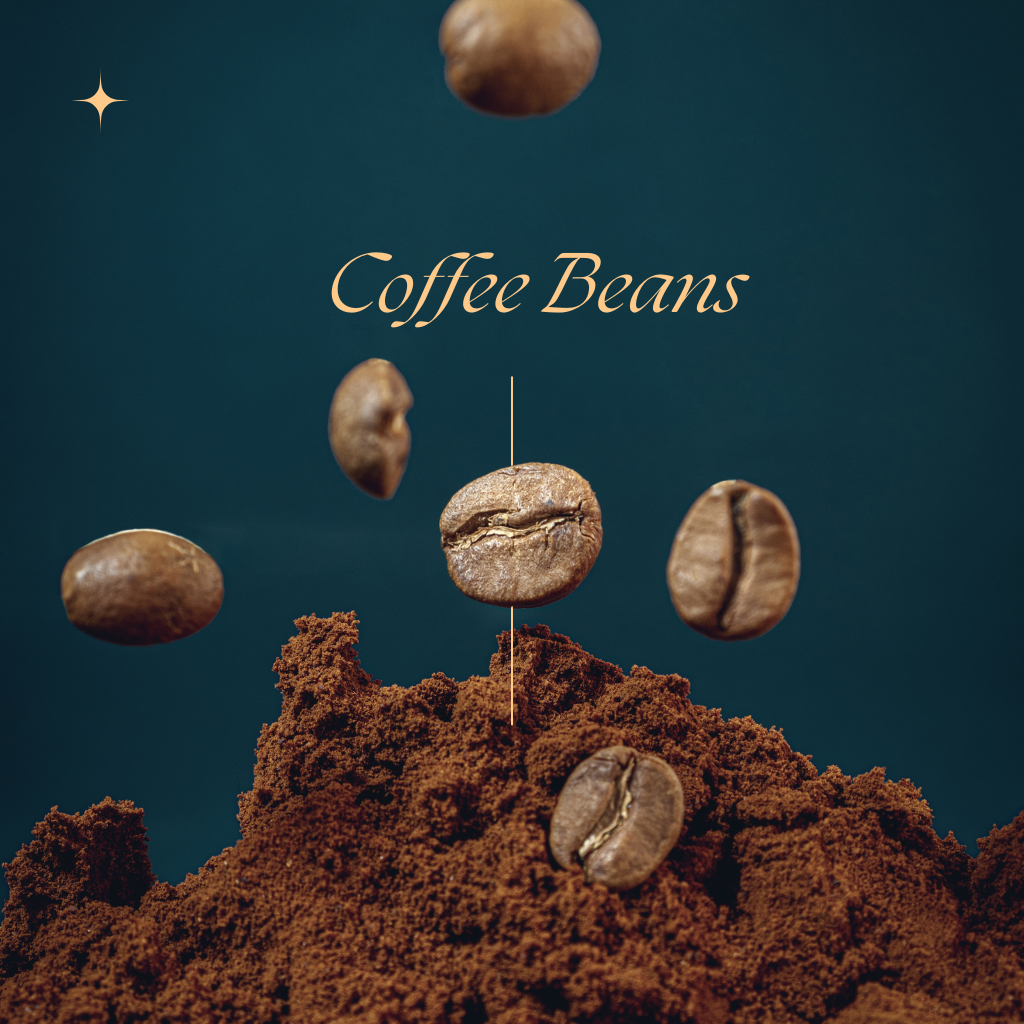
Coffee Beans &origins
Coffee is more than just a morning ritual—it’s a journey from bean to cup. Understanding coffee beans and their origins not only enhances your appreciation of this beloved beverage but also helps you select the perfect cup for your taste.
What Are Coffee Beans?
Coffee beans are the seeds of the coffee cherry, a fruit that grows on the Coffea plant. These seeds are carefully harvested, processed, and roasted to bring out the rich flavors that coffee lovers crave. There are two main types of coffee beans:
- Arabica (Coffea arabica)
- Grown in high altitudes with cooler climates
- Smooth, aromatic, and less bitter
- Accounts for about 60–70% of global coffee production
- Robusta (Coffea canephora)
- Thrives at lower altitudes and warmer climates
- Stronger, more bitter flavor with higher caffeine content
- Often used in espresso blends for its crema and body
The Importance of Coffee Bean Origins
The origin of coffee beans significantly influences their flavor, aroma, and overall quality. Factors such as soil, altitude, climate, and farming practices contribute to what is called the terroir of the coffee.
Popular Coffee Origins
- Ethiopia – Often called the birthplace of coffee, Ethiopian beans are known for fruity and floral notes.
- Colombia – Known for balanced, mild flavors with hints of caramel and nutty undertones.
- Brazil – Produces large quantities with chocolatey, nutty, and low-acidity profiles.
- Kenya – Offers bright, acidic flavors with berry and citrus notes.
- Costa Rica – Known for full-bodied coffee with vibrant acidity and tropical fruit undertones.
How Coffee Bean Origins Affect Flavor
Coffee lovers often describe the flavor of beans from different regions using terms like:
- Acidity – A bright, tangy taste, often found in African coffees
- Body – The weight or texture of coffee in your mouth
- Aroma – The fragrance or scent of brewed coffee
- Aftertaste – The lingering flavor after swallowing
For example, Ethiopian beans are prized for their fruity, wine-like acidity, whereas Brazilian beans have a smoother, chocolatey profile ideal for espresso.
Tips for Choosing the Best Coffee Beans
- Know Your Roast – Light roasts preserve origin flavors; dark roasts emphasize richness and body.
- Check the Origin – Specialty coffee shops often label beans by country, region, and farm.
- Freshness Matters – Buy whole beans and grind them just before brewing for the best taste.
- Experiment – Try beans from different countries to discover your preferred flavor profile.
Conclusion
Exploring coffee beans and their origins is a rewarding journey that elevates your coffee experience. From the fruity Ethiopian varieties to the chocolatey notes of Brazil, every coffee bean tells a story rooted in its origin. By understanding the nuances of origin, roast, and flavor, you can enjoy a truly exceptional cup of coffee every time.
The Coffee Roasting Process Step by Step
Coffee roasting follows a carefully controlled process that brings out flavor and aroma. After green beans are loaded into the roaster, heat is applied gradually. The beans turn from green to yellow as moisture evaporates, releasing grassy aromas. As roasting continues, sugars begin to caramelize and complex flavors develop.
The first crack signals the start of light roast development, while the second crack marks the transition into darker roasts. Skilled roasters adjust time, temperature, and airflow to achieve consistency and highlight each coffee’s unique characteristics.
How Roasting Time Affects Coffee Beans
Roasting time plays a major role in flavor development. Shorter roasting times preserve acidity and origin flavors, while longer roasting times create deeper, roasted notes. Even small changes in roasting duration can significantly affect taste, aroma, and body.
Proper roast development ensures:
- Even flavor extraction
- Balanced sweetness and acidity
- Clean finish without bitterness
Coffee Roasting and Bean Origin
Different coffee origins respond uniquely to roasting. African coffees often shine with light to medium roasts, emphasizing fruity and floral notes. Latin American coffees perform well across all roast levels, offering balanced sweetness. Indonesian coffees are commonly roasted darker to enhance earthy and spicy flavors.
Matching roast level to origin allows roasters to bring out the best qualities of each bean.
Freshness and Degassing After Roasting
Freshly roasted coffee releases carbon dioxide, a process known as degassing. This stage is essential for flavor stability and optimal brewing. Most coffees reach peak flavor between 5 to 14 days after roasting, depending on the roast level.
Storing roasted coffee in airtight containers away from heat and light helps preserve freshness and aroma.
Coffee Roasting for Different Brewing Methods
Roast level should align with brewing style:
- Light roast: Pour-over, Chemex, Aeropress
- Medium roast: Drip coffee, French press
- Dark roast: Espresso, moka pot
Choosing the right roast ensures better extraction and a more enjoyable cup.
Sustainable Coffee Roasting Practices
Modern coffee roasting focuses on sustainability. Energy-efficient roasters, ethical bean sourcing, and reduced waste contribute to a more responsible coffee industry. Sustainable roasting not only benefits the environment but also improves long-term coffee quality.
Why Professional Coffee Roasting Matters
Professional coffee roasting ensures consistency, quality control, and flavor precision. Experienced roasters understand how heat, airflow, and timing interact, producing coffee that meets high standards every batch.
Conclusion: Elevating Flavor Through Coffee Roasting
Coffee roasting defines the final flavor of every cup. From light and vibrant to dark and bold, roast levels shape aroma, body, and taste. By understanding the roasting process, coffee drinkers can make informed choices and enjoy coffee at its fullest potential.